


Tackling Emergency AC Repairs Professionally
When your air conditioner suddenly stops working on a hot day, it can feel like a real emergency. I know how stressful it is to face a broken AC unit, especially in Central Florida where the heat can be relentless. But don’t worry - handling emergency AC fixes doesn’t have to be overwhelming. With the right approach, you can get your system back up and running quickly and safely.
In this post, I’ll walk you through practical steps to take when your AC breaks down unexpectedly. I’ll share tips on what to do immediately, how to avoid common mistakes, and when to call in professional help. Let’s dive in and make sure you’re ready to tackle any emergency AC situation like a pro.
Recognizing the Need for Emergency AC Fixes
The first step in handling an emergency AC fix is knowing when you actually need one. Not every hiccup means a full-blown emergency, but some signs should never be ignored.
Here are some clear indicators that your AC needs urgent attention:
No cool air at all: If your unit is running but not cooling, it’s a red flag.
Strange noises: Loud banging, grinding, or screeching sounds mean something is wrong.
Water leaks: Puddles or dripping water near your AC can cause damage.
Foul smells: Musty or burning odors can indicate mold or electrical issues.
Frequent cycling: If your AC turns on and off rapidly, it’s struggling to maintain temperature.
When you notice any of these signs, it’s time to act fast. Ignoring them can lead to bigger problems and higher repair costs.

How to Handle Emergency AC Fixes Safely and Effectively
Once you know you have an emergency, here’s what you should do right away:
Turn off the AC unit: This prevents further damage and keeps you safe.
Check your thermostat settings: Sometimes a simple reset or adjusting the temperature can help.
Inspect the air filter: A clogged filter can cause your AC to malfunction.
Look for obvious issues: Check for visible leaks, loose wires, or blocked vents.
Avoid DIY repairs beyond basic checks: Trying to fix electrical or refrigerant problems yourself can be dangerous.
If these quick checks don’t solve the problem, it’s time to call a professional. For reliable and fast ac repair, trust experts who know how to handle emergency situations efficiently.

What is the $5000 AC Rule?
You might have heard about the "$5000 AC rule" when it comes to repairs and replacements. This rule is a simple guideline to help you decide whether to repair or replace your air conditioner.
Here’s how it works:
If the cost of repairing your AC is more than $5000, it’s usually better to replace the unit.
If the repair cost is less than $5000, fixing the existing system makes more sense.
Why $5000? This figure covers the average price of a new, energy-efficient AC system installation in many homes. Spending more than that on repairs can mean you’re throwing money at an old system that might break down again soon.
Keep in mind, this rule is a guideline, not a strict law. Factors like your AC’s age, energy efficiency, and how often it breaks down should also influence your decision.
Preventing Future Emergency AC Fixes
The best way to handle emergency AC fixes is to prevent emergencies in the first place. Regular maintenance and smart habits can keep your system running smoothly year-round.
Here are some tips to avoid emergency breakdowns:
Schedule annual tune-ups: A professional inspection can catch small issues before they become big problems.
Change air filters regularly: Every 1-3 months depending on usage.
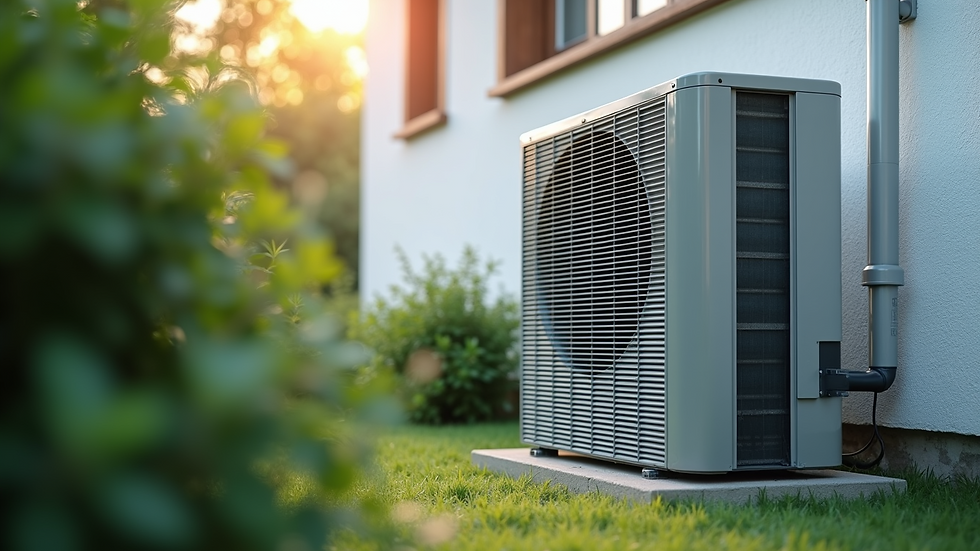
Keep outdoor units clear: Remove debris, leaves, and grass around your AC.
Monitor your system’s performance: Notice any changes in cooling or noise early.
Use a programmable thermostat: This helps reduce wear and tear by managing temperature efficiently.
By following these steps, you’ll reduce the chances of facing an emergency repair and save money in the long run.
When to Call for Professional Emergency AC Repair
Sometimes, no matter how prepared you are, you’ll need expert help. Knowing when to call a professional can save you time, money, and stress.
Call for emergency AC repair if:
Your unit won’t turn on at all.
You smell burning or see smoke.
There’s water pooling around the system.
You hear loud, unusual noises.
Your home temperature is dangerously high.
Professional technicians have the tools and knowledge to diagnose and fix problems safely. They can also provide advice on whether repair or replacement is the best option.
If you’re in Central Florida and need quick, trustworthy service, don’t hesitate to reach out to Essential Air and Heat. They specialize in emergency AC fixes and are ready to help you stay comfortable no matter the season.
Staying Cool and Comfortable Year-Round
Dealing with emergency AC fixes can be stressful, but with the right knowledge and support, you can handle any situation confidently. Remember to act quickly, perform basic safety checks, and call professionals when needed.
By investing in regular maintenance and understanding when to repair or replace your system, you’ll enjoy a cool, comfortable home all year long. Don’t wait for an emergency to strike - take control of your AC’s health today.
For fast and reliable ac repair in Central Florida, Essential Air and Heat is your go-to partner. They’re committed to keeping your home comfortable with expert service you can trust.
Stay cool, stay safe, and enjoy the comfort you deserve!


Comments